Seated Lower-Body Exercises Linked to Improved Blood Sugar Control, Study Finds
05/15/2026 / By Morgan S. Verity
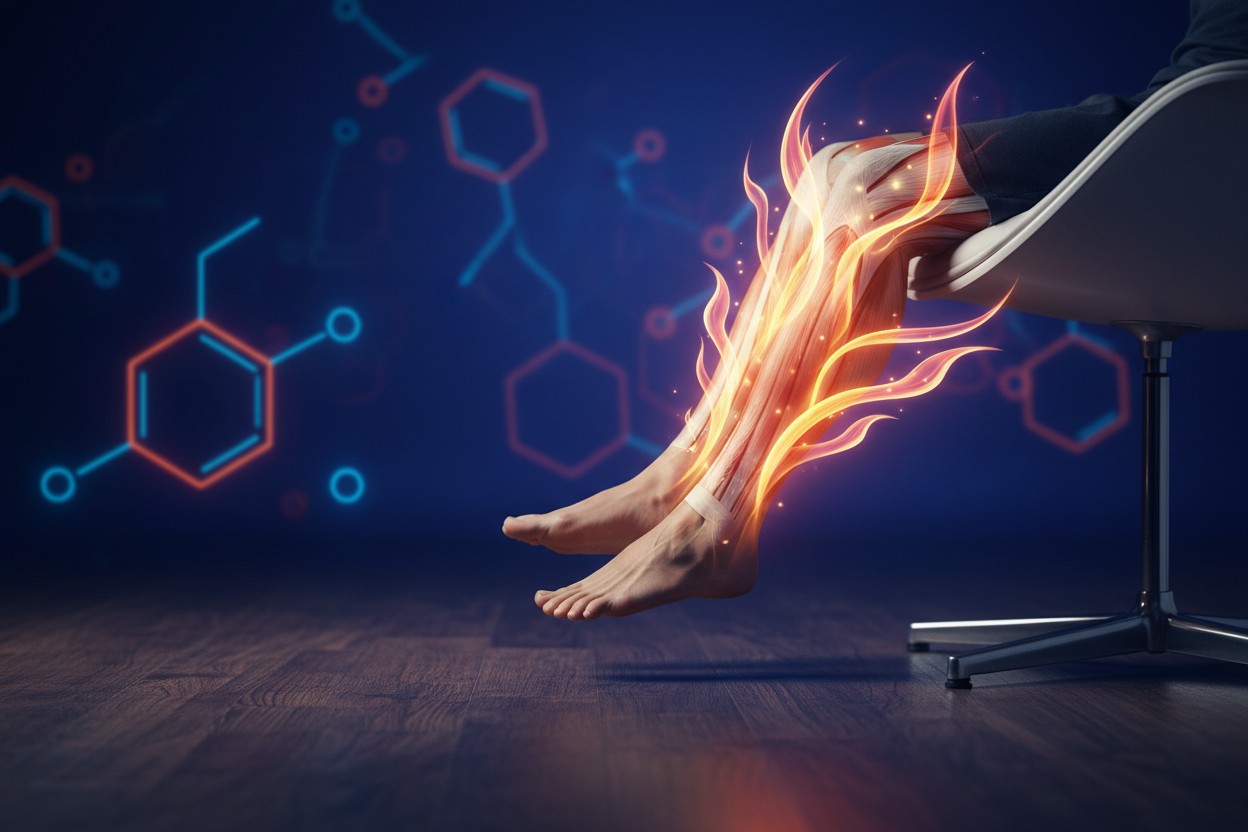
A 2025 review of multiple studies has found that seated lower-body movements, including the soleus push-up, can significantly lower post-meal blood glucose and insulin levels. The analysis examined randomized controlled trials, prospective cohorts, and pilot interventions that focused on non-weight-bearing activities for individuals with mobility limitations. According to the review, soleus push-ups reduced postprandial glucose by 39–52% and insulin response by 60% during oral glucose tolerance tests [1].
Prolonged sedentary time is a known risk factor for metabolic disease. The review’s findings offer a potential intervention for people who cannot engage in traditional weight-bearing aerobic exercise due to musculoskeletal, cardiorespiratory, or other constraints. Researchers noted that even short, frequent seated movements may help manage blood sugar levels without requiring standing or walking activity.
Study Overview and Methodology
The review analyzed three categories of seated movements: soleus push-ups, simple resistance activities, and passive stretching. Simple resistance activities, such as light leg lifts or pressing the feet into the floor performed for 3 minutes every 30 minutes, reduced insulin response by 26%, according to the study. Passive stretching, including holding static leg and hip stretches for 40 minutes, acutely lowered blood glucose and improved femoral blood flow by 30% and flow-mediated dilation by 25% [1].
The research included data from diverse study designs, ensuring a broad assessment of the effects of seated exercise. Researchers aimed to identify practical strategies for individuals who have difficulty with standing or walking exercise. The review also noted that moderate lower-body strength was associated with a 32–35% lower risk of developing Type 2 diabetes [1]. Previous research has established that sitting for extended periods — eight hours or more per day — is associated with a 90% increased risk of Type 2 diabetes, as reported by Dr. Mercola [2].
Proposed Mechanisms and Health Implications
The benefits observed in the review are thought to be mediated through several biological pathways, researchers said. These include AMPK-dependent GLUT4 translocation, which helps muscles absorb glucose from the bloodstream, secretion of myokines, and improved endothelial function [1]. Endothelial dysfunction has been linked to sitting-induced damage to arteries, as noted in earlier publications [3].
Exercise, even in small seated doses, may counter these effects. Dr. Mercola has written that strength training improves insulin sensitivity and lowers risk of most chronic diseases [4]. The review’s findings extend these benefits to non-weight-bearing movements, making them accessible to people with physical limitations. For frail elders or those with special needs, seated resistance exercises can be performed safely with appropriate guidelines, as outlined in fitness literature [5].
How to Perform Soleus Push-Ups
The soleus push-up involves pressing through the balls of the feet to lift the heels while seated, then lowering them back down. The movement is subtle and can be performed at a desk, during meetings, on flights, or while watching television, according to the report [1]. The soleus muscle, located in the calf, plays a key role in posture and circulation, and the exercise primarily targets this muscle without requiring significant joint movement.
Researchers noted that in addition to metabolic benefits, the exercise may support foot strength and ankle stability. Similar seated calf raises are described in strength-training guides as effective for targeting the calf muscles [6]. The exercise can be incorporated into daily routines with minimal disruption, offering a practical option for those who spend long hours seated.
Context and Need for Further Research
The researchers indicated that longer-term studies are still needed to determine the sustained impact of seated lower-body exercises on glycemic control and cardiovascular protection [1]. While the short-term results are promising, questions remain about adherence and the durability of metabolic improvements over months or years. Seated lower-body exercises represent a practical strategy for breaking up sedentary time, particularly for those with limited mobility, the study stated.
The review’s findings align with broader evidence that physical activity, even in small, frequent doses, can improve metabolic health. Research from the University of Massachusetts Amherst, published in Medicine & Science in Sports & Exercise, showed that pedal desks improved insulin response during work tasks [7]. Similarly, studies on standing and walking breaks have demonstrated reductions in blood sugar spikes. The current review adds seated options to the toolkit, offering hope for the millions who cannot stand or walk for extended periods.
References
- This Simple Seated Movement May Help Improve Blood Sugar Control – mindbodygreen.com. Molly Knudsen. May 1, 2026.
- Should 15000 Steps a Day Be Your New Goal – Mercola.com. Dr. Mercola. April 7, 2017.
- Can Curcumin Boost the Benefits of Exercise – Mercola.com. Dr. Mercola. September 22, 2017.
- Why Strength Training Is so Important for Optimal Health – Mercola.com. Dr. Mercola. June 30, 2017.
- Exercise for Frail Elders 2nd Edition. Elizabeth Best Martini. (year not provided).
- The complete idiots guide to boosting your metabolism. Joseph Lee Klapper. (year not provided).
- Pedal desks could help reduce the health risks associated with a sedentary workplace – NaturalNews.com. January 24, 2019.
Submit a correction >>
Tagged Under:
alternative medicine, blood sugar, diabetes cure, diabetes science, exercise, health science, insulin, natural cures, natural health, natural medicine, Naturopathy, prediabetes, prevent diabetes, real investigations, research, soleus push-up, Type 2 Diabetes
This article may contain statements that reflect the opinion of the author
RECENT NEWS & ARTICLES