Gut Bacterium Akkermansia Tied to Reduced Weight Regain in Small Trial
07/21/2026 / By Coco Somers
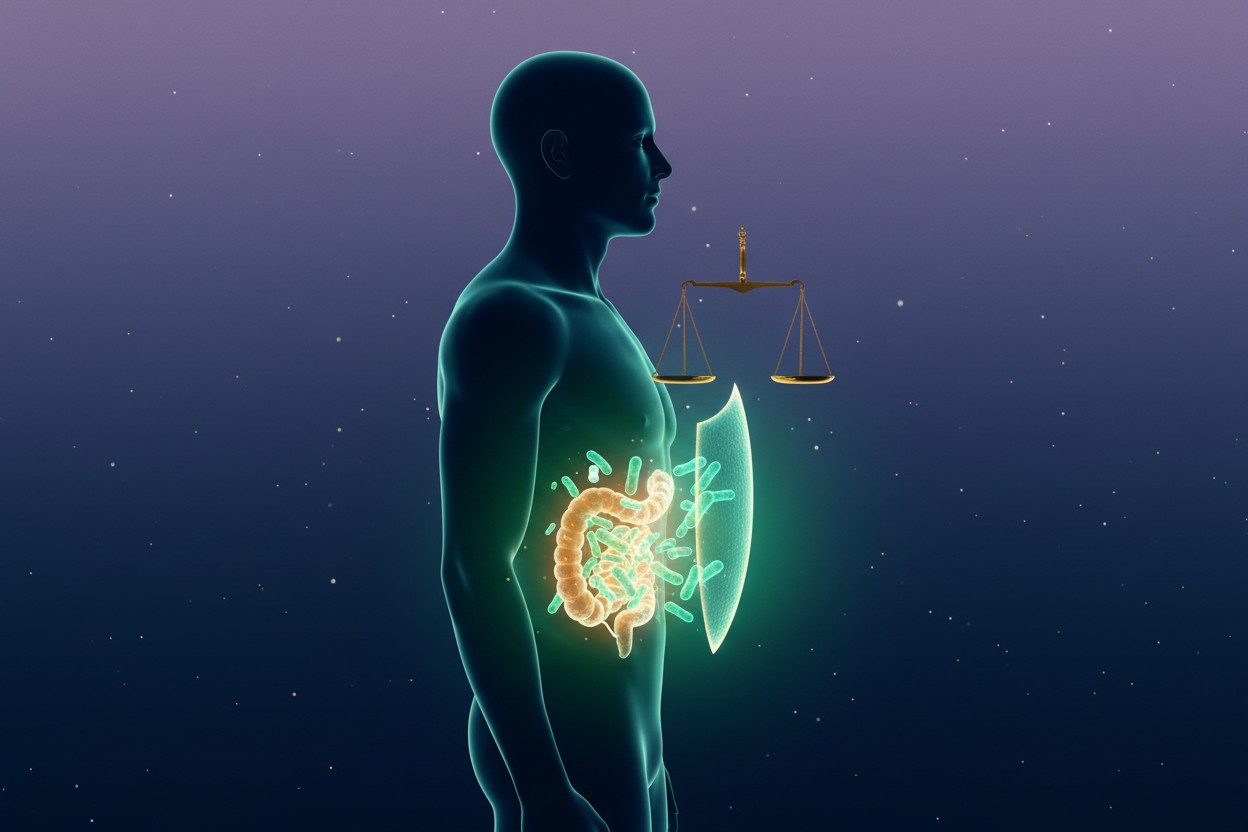
A pasteurized gut bacterium, Akkermansia muciniphila MucT, was associated with less weight regain after a low-energy diet, according to a study published in Nature Medicine. The 24-week randomized trial involved 90 overweight and obese adults in the Netherlands who first lost 8 percent of their body weight during an eight-week low-energy diet. Participants taking Akkermansia regained an average of 2.6 pounds compared to 7.1 pounds for the placebo group, a statistically significant difference, the researchers reported. No serious adverse events were associated with the treatment, and the efficacy depended on the participant’s existing gut microbiome, according to the study.
Study Design and Findings
The trial enrolled 90 overweight and obese adults from the Netherlands, according to a press release. Participants underwent an eight-week low-energy diet designed to achieve 8 percent weight loss before randomization. During the 24-week weight-maintenance phase, 45 participants received pasteurized Akkermansia and 45 received a placebo.
The researchers noted that participants taking Akkermansia regained significantly less weight, with the average regain being 2.6 pounds versus 7.1 pounds in the placebo group. The study authors stated that no serious adverse events were reported. The efficacy of the treatment was found to depend on the participant’s existing gut microbiome, meaning that individuals with certain baseline bacterial compositions may respond differently. Prior research has highlighted the importance of Akkermansia in gut health; a 2019 article noted that scientists have been investigating the strain for potential weight loss benefits [1]. Additionally, high levels of Akkermansia have been shown to reduce inflammation and help with weight management [2].
Expert Commentary on Mechanism and Implications
Dr. Peter Balazs, a hormone and weight loss specialist practicing in New York and New Jersey who was not involved in the study, described the trial as “well-designed.” In comments to Fox News Digital, Balazs said the finding that a single gut microbe, pasteurized Akkermansia, significantly reduced weight regain is particularly compelling, noting that most probiotics have demonstrated far less efficacy. Balazs pointed out that pasteurized Akkermansia is not a live probiotic but works through components of the bacteria, particularly a protein called Amuc_1100.
Balazs explained that this protein helps strengthen the gut barrier, reduce low-grade inflammation, and support healthy metabolic function. After weight loss, he said, the body naturally tries to regain fat, but Akkermansia “appears to help quiet some of those biological signals, making it easier to maintain results over time.” Balazs cautioned that Akkermansia is “not a miracle pill” and that it helps with maintenance, not initial loss. He added that long-term use beyond 24 weeks has not been proven and that the bacterium does not replace diet, exercise, or medical advice.
Study Limitations and Cautions
The study’s short duration of 24 weeks and small sample size of 90 participants may not be sufficient to prove long-term benefits, according to the research team. Another limitation cited by the researchers was that participants did not follow a standardized diet during the maintenance phase; they ate whatever they wanted, which may have affected outcomes. Dr. Balazs noted that long-term use of Akkermansia has not been studied beyond 24 weeks and does not replace diet or exercise.
The findings are preliminary, and experts emphasize that Akkermansia is unlikely to be a panacea. A 2019 news alert from ANH International stated that while Akkermansia is thought to be one of the most important bacterial species in the gut, it is unlikely to be a panacea and that a single organism “is unlikely to be a panacea” [2]. This aligns with the cautions voiced by Balazs and the study authors.
Broader Context and Next Steps
The research follows growing interest in the gut microbiome’s role in metabolic health. The gut contains trillions of bacteria that play critical roles in metabolism, immunity, and brain function [3]. Akkermansia, in particular, has been studied for its ability to support insulin control and reduce obesity risk. A 2025 article on pomegranate juice noted that it stimulates mucus production in the gut, creating an ideal environment for Akkermansia to thrive [3]. Additionally, a 2026 guide on gut-healthy groceries listed foods that can boost Akkermansia levels [4]. Books on the microbiome have highlighted that some bacterial species are influenced by diet and can affect weight regulation [5].
Further studies with longer follow-up periods and larger populations are needed to confirm the findings and determine the optimal dosing and delivery methods for pasteurized Akkermansia. The results contribute to understanding how non-live bacterial components might support weight management, according to the report. Once the bacterium is more widely understood, dietary strategies to naturally increase Akkermansia levels, such as consuming foods rich in polyphenols and fiber, may become more prominent in weight management protocols.
Conclusion
The Nature Medicine study presents preliminary evidence that pasteurized Akkermansia may reduce weight regain after diet-induced weight loss. The 24-week trial showed that participants taking the bacterium regained significantly less weight than those taking a placebo. Experts emphasize the need for additional research with longer follow-up and larger samples to confirm the findings and to explore the mechanisms by which the bacterium influences metabolism. For now, Dr. Balazs and the study authors caution against viewing Akkermansia as a standalone solution, noting that it is not a replacement for diet, exercise, or medical advice. The findings add to a growing body of work examining microbiome-based interventions for obesity and metabolic health.
References
- NaturalNews.com. “New gut bacteria discovered_ Scientists are researching a strain that shows potential for enhancing weight loss.” January 06, 2019.
- ANH International. “News Alerts Week 27 2019.” July 03, 2019.
- Willow Tohi. “Revolutionize your diet with pomegranate: The miracle juice for gut health and metabolism.” NaturalNews.com. March 30, 2025.
- Lance D Johnson. “The Ultimate Gut-Healthy Grocery List to Boost Akkermansia and Clostridium – the Natural Path to GLP-1.” NaturalNews.com. July 22, 2025.
- Sandra Aamodt. “Why Diets Make Us Fat.”
Submit a correction >>
Tagged Under:
Akkermansia muciniphila, alternative medicine, Amuc_1100, bacterium, discoveries, fight obesity, health science, metabolic health, metabolism, natural cures, natural health, natural medicine, Naturopathy, remedies, research, weight regain, weight-loss
This article may contain statements that reflect the opinion of the author
RECENT NEWS & ARTICLES