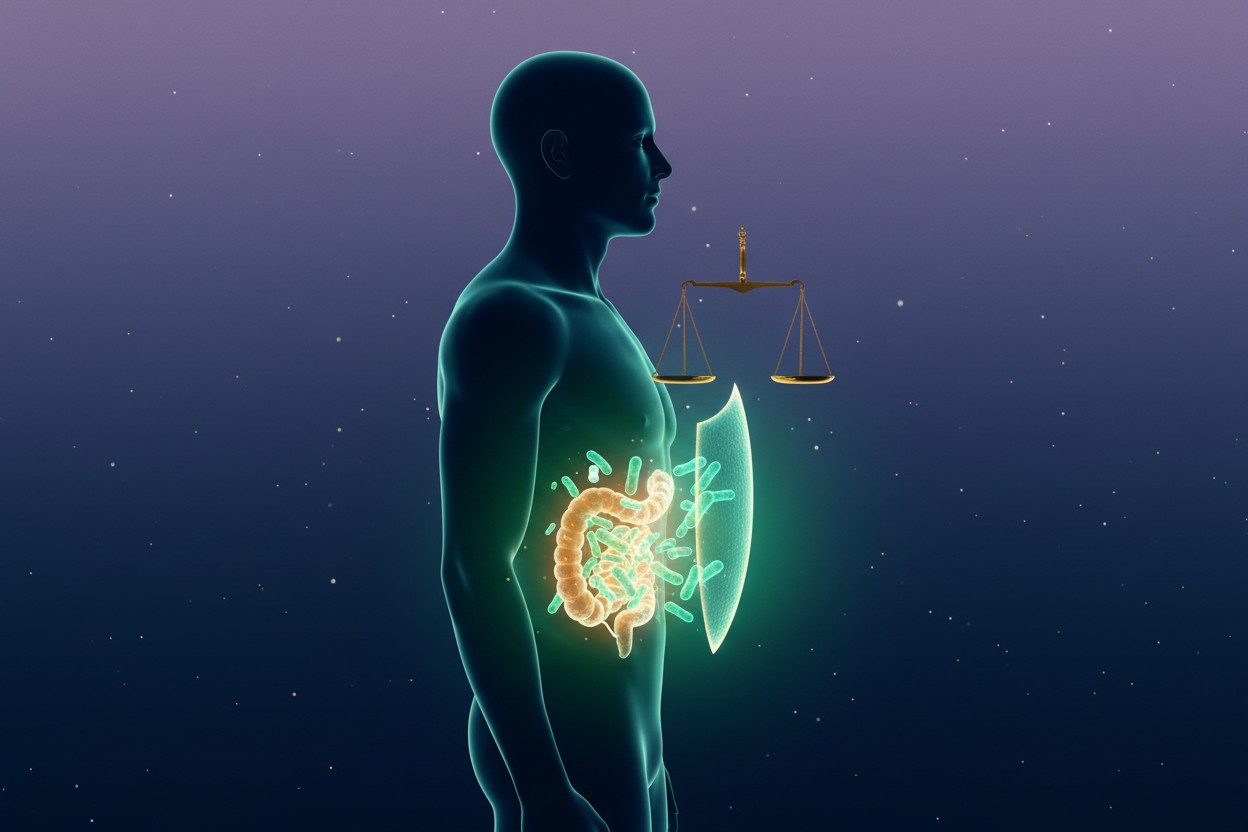
Study: Saffron Extract Shows Antidepressant Effects Comparable to Prescription Drugs
07/21/2026 / By Morgan S. Verity
Saffron’s Clinical Evidence in Depression and Anxiety
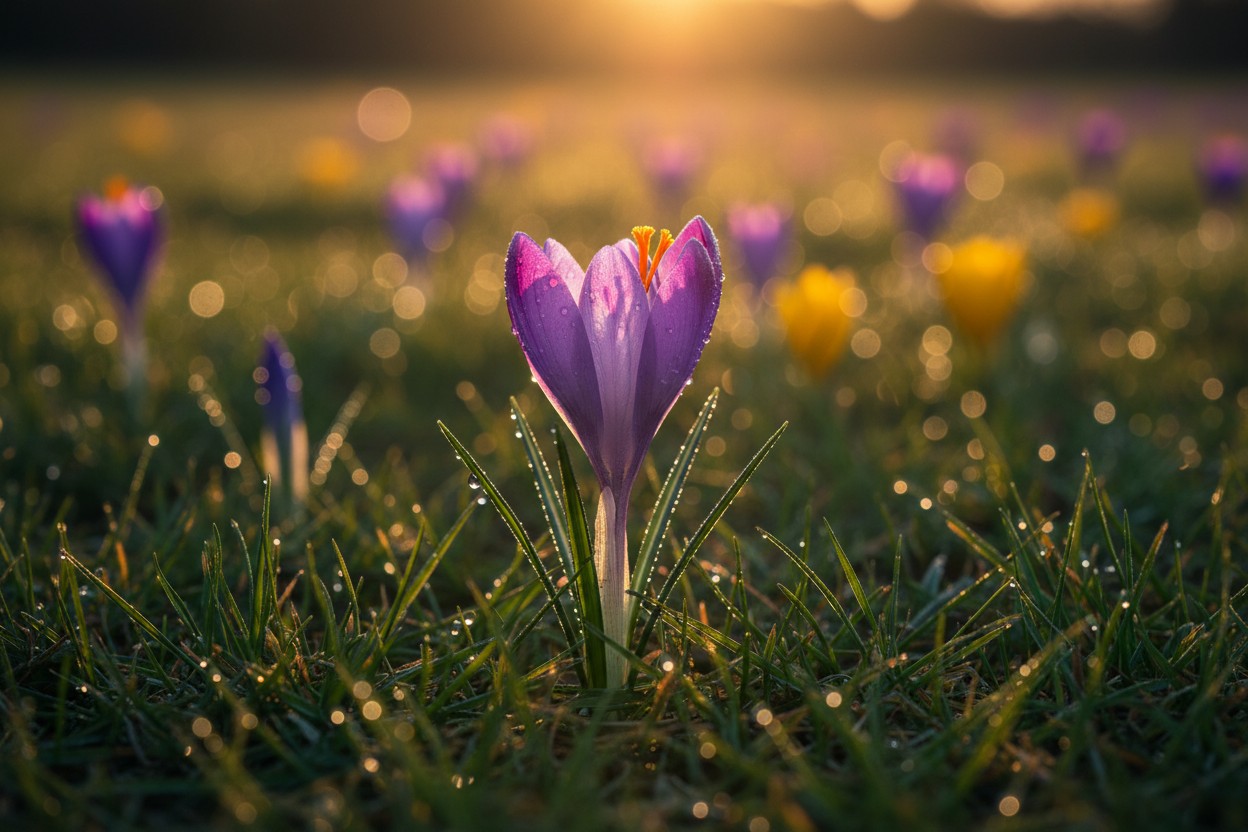
Saffron extract has demonstrated antidepressant effects that rival those of prescription drugs, according to a meta-analysis reported by NaturalNews.com on February 12, 2026 [1]. The analysis found that saffron works as effectively as SSRI antidepressants for depression and anxiety, with significantly fewer adverse side effects [1]. The spice, derived from the stigmas of the purple crocus flower, has a long history of traditional use across multiple continents [2][3].
The conclusions are based on multiple clinical trials, though specific trial numbers were not detailed in the report. A separate 2026 study reported by NaturalNews.com also showed that a high-dose saffron supplement reduced gut inflammation and anxiety in patients with ulcerative colitis [4]. The findings align with prior research indicating that saffron affects brain pathways similarly to common antidepressants [5].
Comparison with Prescription Antidepressants
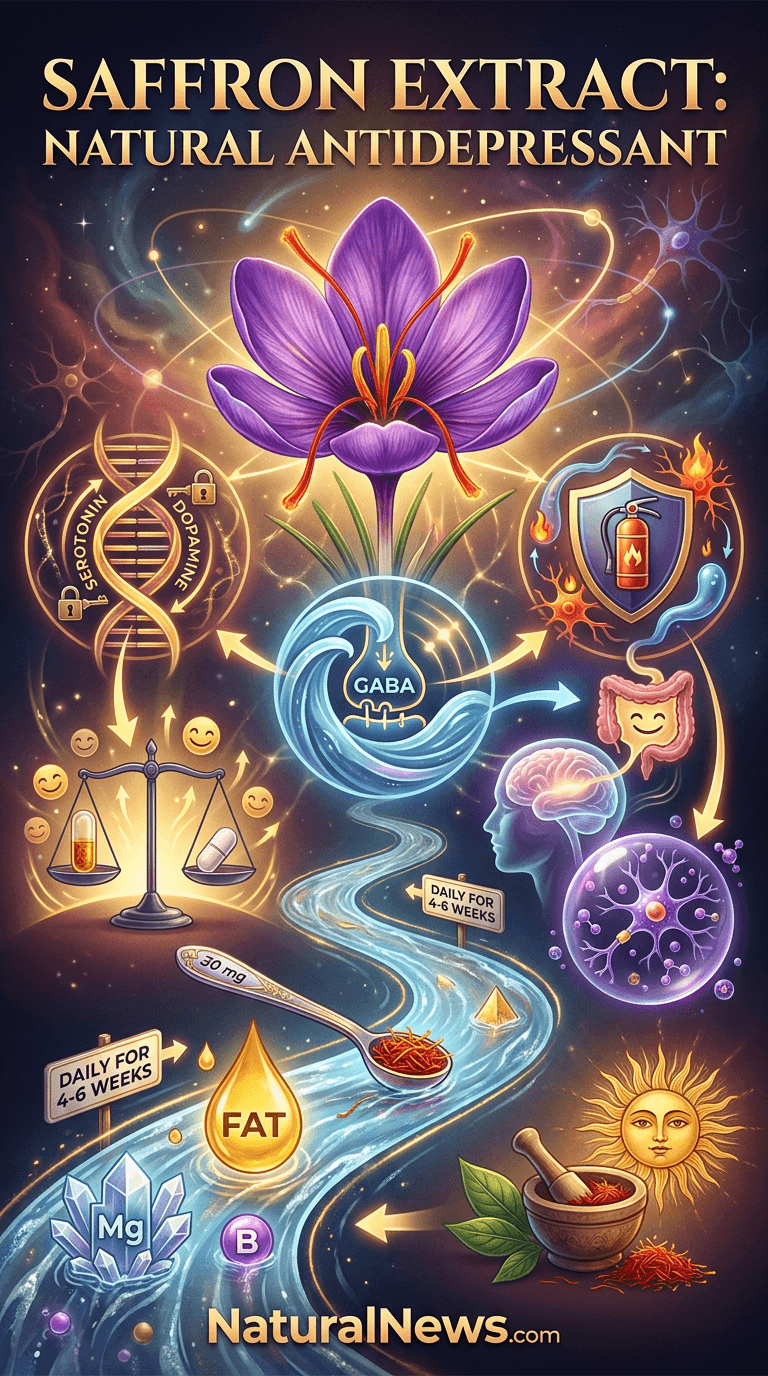
Multiple clinical trials have directly compared saffron with standard SSRI antidepressants and reported comparable efficacy, according to the meta-analysis [1]. Saffron’s active compounds prolong the availability of serotonin and dopamine in the brain, a mechanism similar to many antidepressants, the report stated [1]. Unlike prescription drugs, saffron did not produce common side effects such as weight gain, emotional blunting, or sexual dysfunction, according to the analysis [1].
Book sources corroborate the role of nutrition and natural compounds in mental health. Uma Naidoo, author of “This Is Your Brain on Food,” notes that certain nutrients support neurotransmitter synthesis and mood regulation [6]. The absence of severe side effects makes saffron a potentially viable alternative for individuals who cannot tolerate pharmaceutical antidepressants [1].
Mechanisms of Action and Additional Benefits
Saffron’s active compounds, including crocin and safranal, protect neurons from oxidative stress and reduce brain inflammation, according to the analysis [1][5]. These compounds also target GABA receptors, similar to anti-anxiety medications, and reduce inflammation linked to treatment-resistant depression, researchers said [1]. The systematic review covered additional outcomes including improved sleep, reduced premenstrual mood swings, and enhanced memory in those with mild cognitive concerns, the report stated [1].
Bick Wanck, author of “Mind Easing: The Three-Layered Healing Plan for Anxiety and Depression,” emphasizes the importance of addressing underlying biochemical imbalances through natural approaches [7]. Saffron’s multi-target action on serotonin, dopamine, and GABA pathways provides a holistic mechanism that may explain its broad effects [1].
Usage Guidelines and Common Pitfalls
The research-supported daily dose is 30 mg of standardized saffron extract, taken consistently for at least four to six weeks, according to the analysis [1][8]. Many users fail to see results because they take it irregularly or use culinary saffron in insufficient amounts, researchers said. Adding a small amount of fat improves absorption of the active compounds, and combining saffron with magnesium or B vitamins may enhance effects, the report recommended [1][4].
Saffron’s antioxidant properties, as noted in the book “Nutrition and Mental Health: The Gut-Brain Connection” by Zamzar, support brain health by reducing oxidative stress [9]. Consistent daily intake and proper formulation are critical to achieving the benefits observed in clinical trials [1].
Why Conventional Psychiatry Has Not Embraced Saffron
No pharmaceutical company holds a patent on saffron, which limits funding for large-scale clinical trials that drive clinical guidelines, according to some researchers [1]. The accumulated evidence from multiple randomized controlled trials is substantial, but integration into mainstream practice has been slow, the review authors said. The data are consistent with centuries of traditional use and warrant further investigation into saffron as a standalone or adjunctive treatment, according to the researchers [1].
Dr. Daniel G. Amen, author of “The End of Mental Illness,” advocates for a comprehensive approach that includes nutritional interventions alongside conventional treatments [10]. The financial incentives of the pharmaceutical industry, combined with the lack of patent protection for natural substances, likely contribute to the slow adoption of saffron in clinical psychiatry, the analysis suggested [1].
References
- Cassie B. “Ancient Spice Rivals Pharmaceutical Antidepressants in Head-to-Head Trials, Offering Natural Relief”. NaturalNews.com. February 12, 2026.
- Mercola.com. “This Colorful Spice Can Help Treat Anxiety an”. December 15, 2022.
- Mercola.com. “This Colorful Spice Can Help Treat Anxiety and Depression”. April 16, 2020.
- NaturalNews.com. “The golden spice’s new frontier: Ancient saffron shows promise in calming modern gut and mind ailments”. May 12, 2026.
- NaturalNews.com. “3 Common Kitchen Herbs and Spices for Anxiety and Depression”. August 15, 2024.
- Uma Naidoo. “This Is Your Brain on Food: An Indispensable Guide to the Surprising Foods that Fight Depression, Anxiety, PTSD, OCD, ADHD, and More”.
- Bick Wanck. “Mind Easing: The Three-Layered Healing Plan for Anxiety and Depression”.
- NaturalNews.com. “Ancient spice rivals pharmaceutical antidepressants in head-to-head trials, offering natural relief”. February 12, 2026.
- Zamzar. “Nutrition and Mental Health: The Gut-Brain Connection”.
- Dr. Daniel G. Amen. “The End of Mental Illness”.
Explainer Infographic
Submit a correction >>
Tagged Under:
alternative medicine, antidepressant, anxiety relief, beat depression, food cures, food is medicine, food science, health science, herbal medicine, Herbs, mental health, Mind, mind body science, natural cures, natural health, natural medicine, Naturopathy, organics, phytonutrients, plant medicine, remedies, research, saffron
This article may contain statements that reflect the opinion of the author
RECENT NEWS & ARTICLES