Landmark study exposes how modern medicine fueled the childhood food allergy epidemic
02/25/2026 / By Ava Grace
- The study refutes the primary genetic explanation for food allergies, instead identifying a set of preventable, early-life medical and dietary factors as the direct drivers of the epidemic.
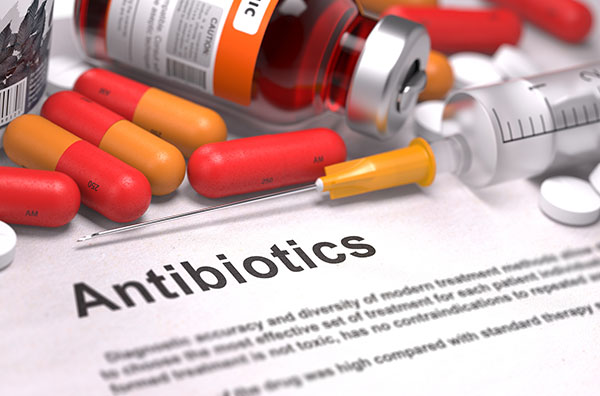
- Early antibiotic use is a major risk factor, with antibiotics in a baby’s first month quadrupling allergy risk by disrupting the critical infant gut microbiome needed for immune system training.
- Delayed introduction of allergenic foods like peanuts more than doubles allergy risk, directly contradicting and implicating the decades of avoidance advice previously given by pediatricians.
- Severe early eczema is a key warning sign, tripling or quadrupling food allergy risk as part of the “atopic march,” where it signals underlying immune dysfunction rather than being just an isolated skin condition.
- The findings demand medical accountability and change, shifting the focus from managing allergies to preventing them by protecting the infant microbiome, introducing allergens early and treating eczema systemically.
For decades, millions of families navigating the terrifying reality of severe food allergies have been offered a simple, fatalistic explanation: it’s in the genes. A massive new scientific review has now dismantled that narrative, revealing that routine medical practices and delayed dietary guidance have played a direct, preventable role in creating a generation of allergic children. The study, published in JAMA Pediatrics, forces a reckoning with how well-intentioned conventional care has backfired, turning common foods into life-threatening poisons for one in twenty children by age six.
A perfect storm of preventable factors
Researchers at McMaster University analyzed data from 190 studies across 40 countries, involving 2.8 million participants. They systematically examined over 340 factors, finding that genetics are only part of the story. The real drivers form a perfect storm of early-life exposures that shape a child’s developing immune system, often with irreversible consequences.
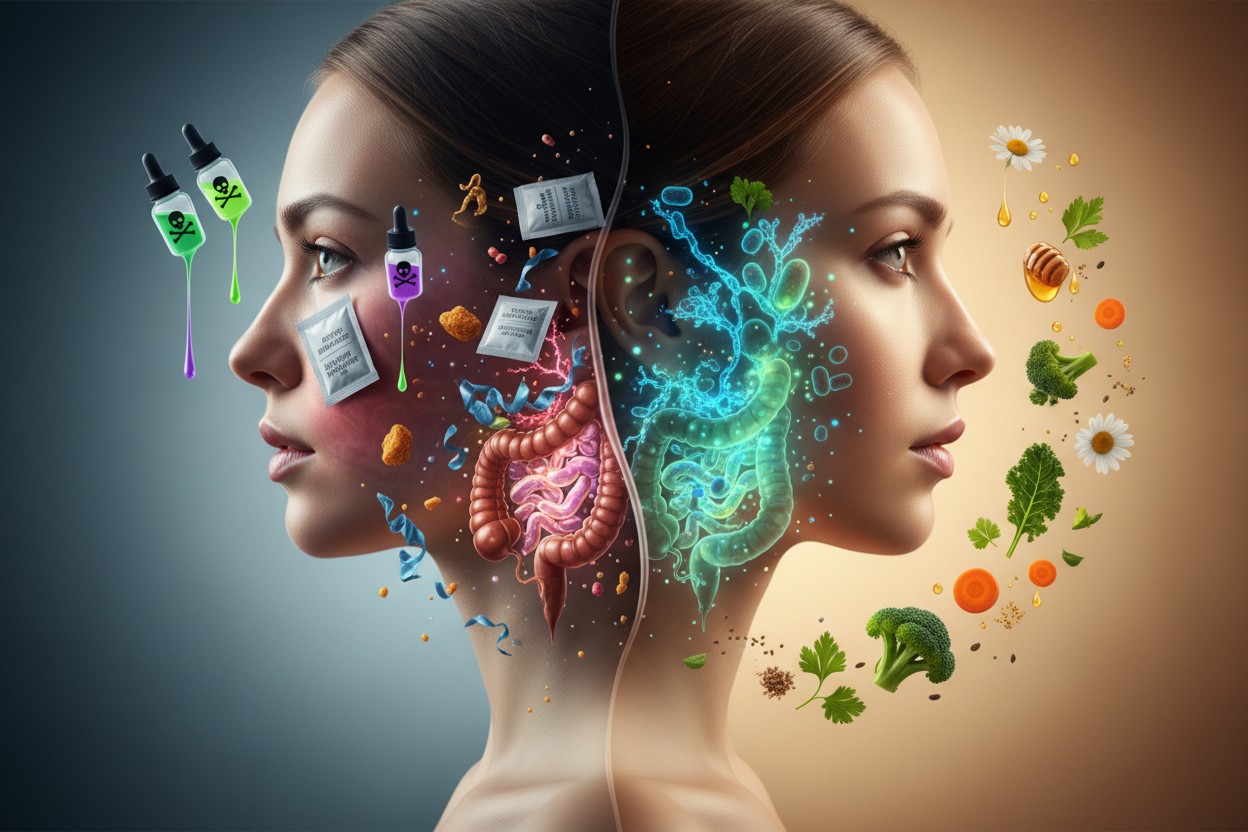
The most shocking findings point directly to standard medical interventions. The use of antibiotics within a baby’s first month of life quadruples the risk of developing food allergies. A single course given “just to be safe” increases the odds by 300%. Antibiotics during pregnancy or throughout the first year also raised risk significantly. This suggests that disrupting the delicate infant gut microbiome—the community of bacteria critical for immune training—can set a child on a path toward a lifetime of dietary restriction and fear.
Outdated advice that caused the problem it was meant to prevent
Equally damning is the confirmation that delaying the introduction of common allergens like peanuts, eggs and tree nuts more than doubles a baby’s risk. Infants who first tried peanuts after their first birthday were 2.5 times more likely to become allergic. This directly contradicts the guidance pediatricians dispensed for decades, which advised avoidance. That well-meaning but incorrect advice likely created countless cases of the very allergies it sought to prevent.
The research also solidified the understanding of the “atopic march,” a progression where one allergic condition paves the way for others. Children who developed eczema in their first year faced triple to quadruple the risk of food allergies. This is not merely a skin issue but a glaring warning sign of underlying immune dysfunction and a compromised barrier system. Conventional treatment often focuses on suppressing eczema with steroid creams while ignoring the root causes, allowing the dysfunction to advance toward more dangerous food allergies and asthma.
The historical context of an avoidable crisis
This news matters profoundly because it reframes a public health crisis that has exploded in a single generation. As detailed in historical accounts, severe peanut allergy was a medical rarity before the 1990s. Since then, rates in Westernized nations have tripled or more, creating a multi-billion-dollar food allergy industry built on management, not cure. For years, the search for a cause bounced between theories—from the hygiene hypothesis to parasite exposure—without a satisfying explanation for why this happened so suddenly and specifically to children.
This new analysis provides that missing link. It shows the epidemic is not a mysterious genetic shift but the result of identifiable, modifiable practices. The historical low allergy rates in countries like China, now rising with Westernization, further underscore that environment and practice, not just ancestry, are key.
What doesn’t matter and what does
Crucially, the study ruled out several commonly blamed factors, allowing families and doctors to focus on what truly matters. A mother’s diet during pregnancy, stress levels, low birth weight and whether a child was breastfed showed no clear connection to food allergy risk. Instead, the spotlight falls on a concise set of factors: severe early eczema, family allergy history, delayed food introduction and most pivotally, early antibiotic use.
This clarifies the path forward. Protection of the infant microbiome must become a paramount concern, reserving antibiotics only for confirmed bacterial infections. Early introduction of allergenic foods, between four and six months for most babies, should be standard guidance. Viewing eczema as a systemic immune warning requiring holistic investigation, not just topical suppression, is essential.
A call for accountability and change
The implications are staggering. The anxiety-filled lives of allergic children—segregated at lunch tables, excluded from activities, living in constant vigilance—were not an inevitable genetic lottery for millions. Many cases trace back to preventable disruptions in a critical developmental window.
“The role of antibiotics is to treat infections,” said BrightU.AI‘s Enoch. “However, their primary and indiscriminate use has a significant drawback, it disrupts the delicate balance of beneficial microbial communities that are crucial for our immune defenses and overall health. This disruption occurs because antibiotics destroy both harmful and helpful bacteria.”
This study is a call for medical accountability and urgent change. It demands updated guidelines, new clinical trials and a shift from passive acceptance to active prevention. As lead researcher Dr. Derek Chu stated, the goal is to move these findings into action. The truth is now clear: Our medical care has been part of the problem and it must now become the foundation of the solution.
Watch and discover the important side effects of antibiotics for kids.
This video is from the Wellness Forum Health channel on Brighteon.com.
Sources include:
Submit a correction >>
Tagged Under:
allergy, Antibiotics, Big Pharma, children's health, discoveries, eczema, food allergy, health science, pharmaceutical fraud, poison, Prescription drugs, real investigations, research, truth
This article may contain statements that reflect the opinion of the author
RECENT NEWS & ARTICLES