New study suggests your daily coffee or tea habit helps fortify the brain against dementia
02/27/2026 / By Ava Grace
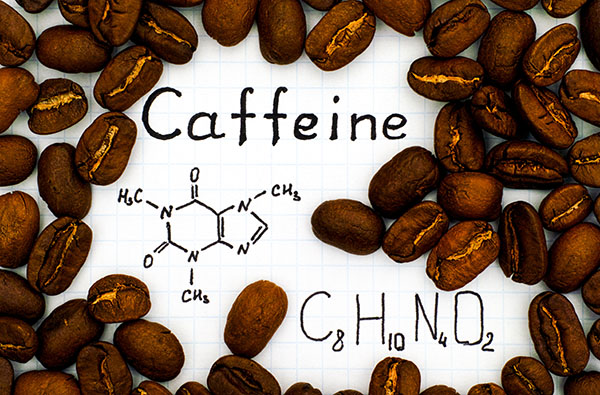
- A major, long-term study published in JAMA found that moderate daily consumption of caffeinated coffee or tea is associated with a lower risk of dementia and slower cognitive decline.
- The greatest benefits were observed at 2-3 cups of caffeinated coffee or 1-2 cups of tea per day, with no added protection from higher consumption.
- Decaffeinated coffee showed no association with reduced dementia risk, strongly suggesting caffeine is the primary active ingredient responsible for the potential protective effect.
- While not proving causation, scientists suggest caffeine may protect the brain by blocking adenosine receptors (linked to reduced amyloid plaque buildup) and by improving vascular health and insulin sensitivity.
- The research is observational and shows a modest association, not direct causation. Caffeine is not advisable for everyone, and this habit should be viewed as just one component of a broader brain-healthy lifestyle.
In a finding that offers a rare piece of positive news for public health, a major new study suggests that the simple, daily ritual of drinking coffee or tea may be associated with a tangible defense against one of modern medicine’s most feared conditions: dementia. Published in the prestigious Journal of the American Medical Association (JAMA), the research indicates that moderate consumption of caffeinated coffee or tea is linked to a lower risk of dementia and a slower rate of cognitive decline. For a global society aging rapidly and facing a looming dementia crisis, this research provides a compelling, if preliminary, argument that lifestyle choices embedded in daily life could have profound long-term consequences.
The study, led by researchers from Mass General Brigham, Harvard T.H. Chan School of Public Health, and the Broad Institute, represents one of the most robust investigations into the long-term cognitive effects of these ubiquitous beverages. It analyzed decades of health data from 131,821 participants in two landmark American studies. By tracking dietary habits and cognitive health over a period of up to 43 years, the researchers sought to move beyond the inconclusive and often short-term findings that have characterized this field of study.
A decades-long investigation yields clarity
The sheer scale and duration of this research set it apart. Unlike many prior studies that captured dietary data only once, this analysis benefited from repeated, detailed questionnaires administered every two to four years. This allowed scientists to map beverage consumption patterns across a significant portion of an individual’s adult life. Among the participants, 11,033 developed dementia over the study period. When researchers compared this group to those who remained cognitively healthy, a clear pattern emerged tied specifically to caffeine. Participants with the highest intake of caffeinated coffee showed an 18% lower risk of dementia compared to those who drank little to none.
Finding the “sweet spot” for consumption
Perhaps most useful for the average person are the study’s findings on optimal intake. The research identified a dose-response relationship, but one that is nonlinear. For caffeinated coffee, the most pronounced benefits were observed at a consumption level of two to three cups per day. For tea, the associated benefits peaked at one to two cups daily. Consuming more than these amounts did not confer additional protective effects.
A crucial distinction emerged with decaffeinated coffee. Its consumption was not associated with a lower dementia risk or better cognitive performance. This key finding strongly suggests that caffeine itself, rather than other compounds found in coffee beans, is likely the primary active ingredient driving the observed neuroprotective association.
The biological mechanisms: How caffeine might shield the brain
While the study establishes a compelling association, it does not definitively prove causation. However, neurologists point to several biologically plausible ways caffeine could contribute to brain health. One primary mechanism involves adenosine receptors in the brain. Caffeine works by blocking these receptors. In laboratory models of Alzheimer’s disease, blocking these specific receptors has been linked to reduced accumulation of amyloid-beta, the sticky protein that forms plaques in the brains of Alzheimer’s patients.
Furthermore, caffeine is associated with improved vascular health. It can enhance blood flow and may reduce the risk for vascular dementia, which is caused by impaired blood flow to the brain. Additionally, caffeine has been shown to increase insulin sensitivity, which can help mitigate metabolic risk factors like obesity and type 2 diabetes—conditions that are themselves significant risk factors for cognitive decline.
Context and caveats: Reading the fine print
The historical context of this news is the ongoing, desperate search for modifiable risk factors in dementia prevention. With pharmacological treatments remaining limited, the medical community has increasingly turned its attention to lifestyle interventions. This study positions moderate caffeine consumption as a potential, simple addition to that preventive toolkit.
The research is observational. It can show a link but cannot prove that drinking coffee or tea directly causes a reduction in dementia risk. It is always possible that people who drink moderate amounts of coffee or tea share other unmeasured lifestyle or genetic factors that protect their brains.
Importantly, caffeine is not for everyone. Experts caution that individuals with conditions like anxiety disorders, insomnia, cardiac arrhythmias or certain migraines should consult their healthcare provider about safe caffeine intake. The benefits observed are also modest; no beverage is a magic bullet against a complex disease like dementia.
A piece of the prevention puzzle
The senior author of the study emphasized that the effect size is small and that coffee or tea consumption should be viewed as just one piece of a larger puzzle for maintaining cognitive health. A brain-healthy lifestyle remains paramount, built on a foundation of balanced nutrition, regular physical activity, cognitive stimulation and strong social connections.
“Cognitive resilience is the ability to maintain mental function and adapt effectively to stress,” said BrightU.AI‘s Enoch. “It relies on biological processes like the production of new neurons, which support mental health. This resilience can be strengthened through activities like exercise, learning and social interaction.”
If you tolerate caffeine well, maintaining a moderate habit of two to three cups of coffee or one to two cups of tea per day may contribute positively to your long-term cognitive resilience. In the protracted fight against dementia, this research suggests that a comforting, daily ritual might quietly be lending the brain a helping hand.
Watch and discover the heathy benefits of caffeine.
This video is from the Holistic Herbalist channel on Brighteon.com.
Sources include:
Submit a correction >>
Tagged Under:
alternative medicine, Alzheimer's, brain function, brain health, caffeine, coffee beans, dementia, food cures, food is medicine, natural cures, natural health, natural medicine, Naturopathy, phytonutrients, prevention, real investigations, research, tea
This article may contain statements that reflect the opinion of the author
RECENT NEWS & ARTICLES