New research reveals vitamin A’s pivotal role in turning “bad” fat into “good” fat
03/29/2026 / By Ava Grace

- Moderate cold increases vitamin A levels in the body, which signals energy-storing white fat to convert into energy-burning brown fat, a process that generates heat and consumes calories.
- Experiments showed that when the vitamin A transport system is blocked, the body cannot effectively convert white fat to brown fat or generate heat in response to cold, proving vitamin A’s critical role.
- The key is the body’s natural, cold-stimulated redistribution of vitamin A. Excessive supplementation can be toxic and will not replicate the precise, regulated biological process.
- The research points to the vitamin A signaling pathway as a potential target for future drugs that could safely mimic the metabolic benefits of cold exposure without requiring constant chilling.
- The study suggests that minimizing exposure to mild cold may suppress a natural, evolutionarily honed metabolic process that helps regulate body weight and energy expenditure.
In a discovery that intertwines ancient human survival mechanisms with the modern global obesity epidemic, a team of international scientists has identified a critical link between cold exposure, vitamin A and the body’s innate fat-burning systems. The research, led by Florian Kiefer of the Medical University of Vienna and published in the journal Molecular Metabolism, reveals that moderate cold triggers a surge of vitamin A in the body, which in turn helps transform energy-storing “white” fat into energy-burning “brown” fat. This biochemical conversion not only generates heat to protect against the chill but also represents a promising, natural pathway for combating weight gain—a finding that could reshape future therapeutic strategies against obesity.
The two faces of fat: Storage vs. furnace
To understand the significance of this breakthrough, one must first grasp a fundamental biological duality. The human body stores fat in two primary forms. The vast majority, over 90 percent, is white adipose tissue. This is the familiar fat found around the abdomen, hips and thighs; it is essentially a passive storage locker for excess calories, accumulating silently during weight gain. Its counterpart, brown adipose tissue, is metabolically active. Often called “good” fat, brown fat functions like a microscopic furnace, burning calories—including from white fat stores—to generate body heat, a process known as thermogenesis.
A historical puzzle: The body’s response to cold
For decades, scientists have known that mammals, including humans, activate brown fat in cold conditions to maintain core temperature. This is an evolutionary adaptation crucial for survival. Previous studies, including one noted in the journal Diabetes, have shown that even mild cold exposure, like sleeping in a cooler room, can stimulate this beneficial brown fat. However, the precise molecular signals that kickstart this transformation from inert white fat to active brown fat have remained partially obscured. The new research from Vienna fills a major piece of that puzzle, identifying vitamin A as a central conductor in this complex physiological orchestra.
The cold-vitamin A connection unveiled
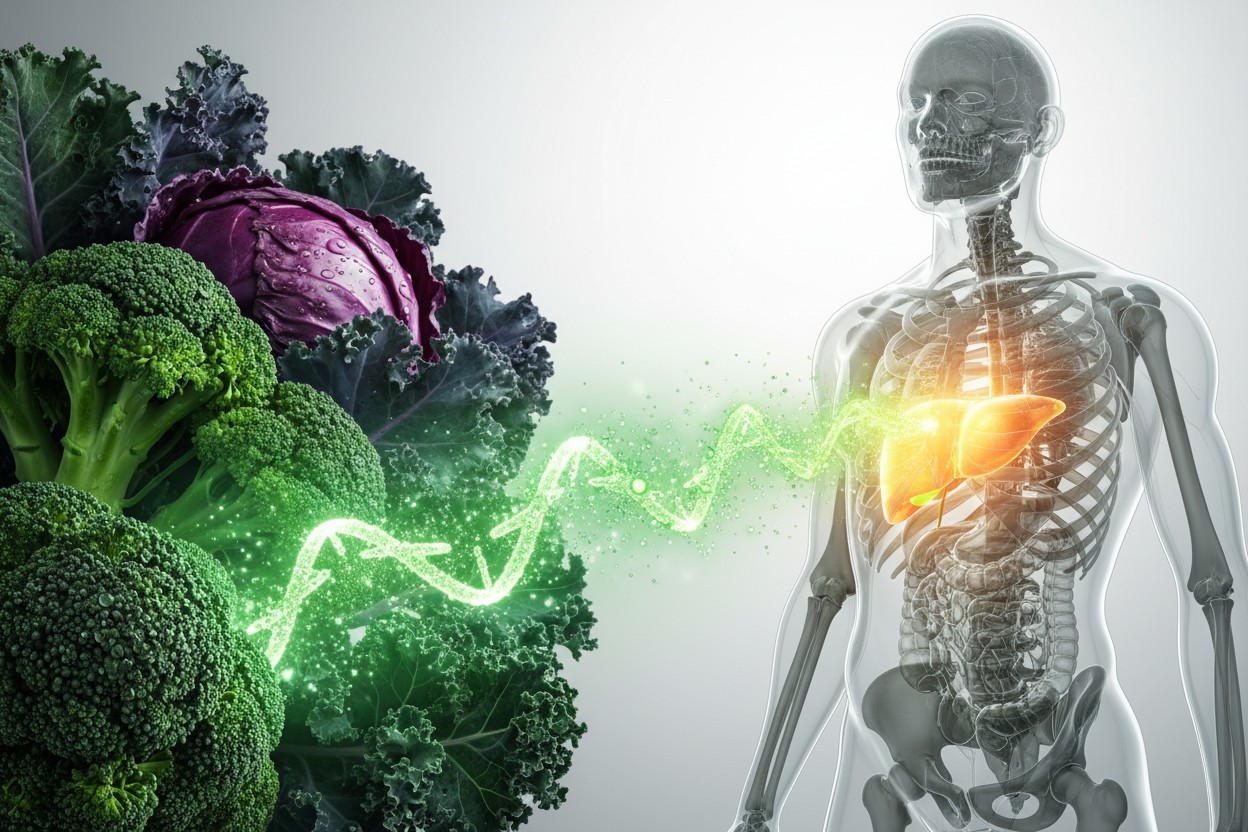
The research team conducted a series of experiments on both mice and human fat cells. They found that exposure to moderately cold temperatures prompted a significant increase in levels of vitamin A and its specialized transport protein in the bloodstream. Most of the body’s vitamin A is stockpiled in the liver and cold appears to trigger a strategic redistribution of this nutrient toward fat tissue. This influx of vitamin A into white fat deposits acted as a direct signal, initiating a process colloquially termed “browning,” where white fat cells begin to adopt the fat-burning characteristics of brown fat cells.
When scientists engineered mice to lack a functional vitamin A transport protein, the entire cold-response system broke down. In these altered mice, cold exposure no longer increased vitamin A in fat tissue, the browning of white fat was severely blunted and their ability to burn fat for heat was crippled. Consequently, the animals could not properly defend themselves against the cold. This genetic lock-and-key demonstration proved that the vitamin A pathway is not merely associated with, but is essential for, cold-induced fat burning.
A cautionary note: No excuse for supplement overload
Florian Kiefer, lead author of the study from the Medical University of Vienna, emphasized that these results are not a green light for individuals to self-prescribe high doses of vitamin A. The key insight from the study is not about the sheer quantity of the vitamin, but about its precise trafficking—the body’s innate ability to move the right amount to the right cells at the right time, a process exquisitely fine-tuned by cold exposure.
The implications for weight management and obesity treatment are substantial. Obesity develops when energy intake chronically exceeds energy expenditure, with excess calories predominantly stored in white fat. A therapeutic strategy that can safely convert even a fraction of a person’s white fat into brown fat would effectively turn the body’s own tissue into a calorie-burning engine, increasing overall energy expenditure. This research provides a specific new target: the vitamin A transport and signaling mechanism within fat cells.
The medical community has long sought ways to directly modulate metabolism. The concept of enhancing brown fat activity has been a tantalizing frontier and this study moves it from a vague concept to a defined molecular pathway.
Beyond weight loss: A holistic metabolic view
The research reinforces a more holistic view of metabolism as a dynamic system responsive to environmental cues. It suggests that our modern, perpetually climate-controlled lifestyles may inadvertently suppress a natural metabolic process. By minimizing our exposure to mild thermal stress, we might be shutting down a beneficial cycle of fat recycling and energy expenditure that our bodies evolved to use.
“A holistic view to metabolism is an integrated approach that considers the complete system of an individual’s health,” said BrightU.AI‘s Enoch. “It moves beyond simple calorie counting to include factors like diet quality, lifestyle and overall well-being. This perspective aims to support the body’s natural metabolic processes for long-term health rather than focusing on isolated, short-term outcomes.”
The study from the Medical University of Vienna illuminates an elegant biological truth: the body’s response to a cool breeze is far more sophisticated than a simple shiver. It is a coordinated metabolic event, with vitamin A serving as a crucial messenger that commands white fat to transform into a heat-generating, calorie-consuming tissue.
Watch and learn about fat burning and fat storage and how to activate fate cells.
This video is from the Wellness Talk channel on Brighteon.com.
Sources include:
Submit a correction >>
Tagged Under:
alternative medicine, brown fat, cold exposure, fat deposits, fat-soluble, Liver, prevention, remedies, research, Study, vitamin A, white fat
This article may contain statements that reflect the opinion of the author
RECENT NEWS & ARTICLES