Menopause study links abdominal fat to more severe symptoms
06/07/2026 / By Evangelyn Rodriguez
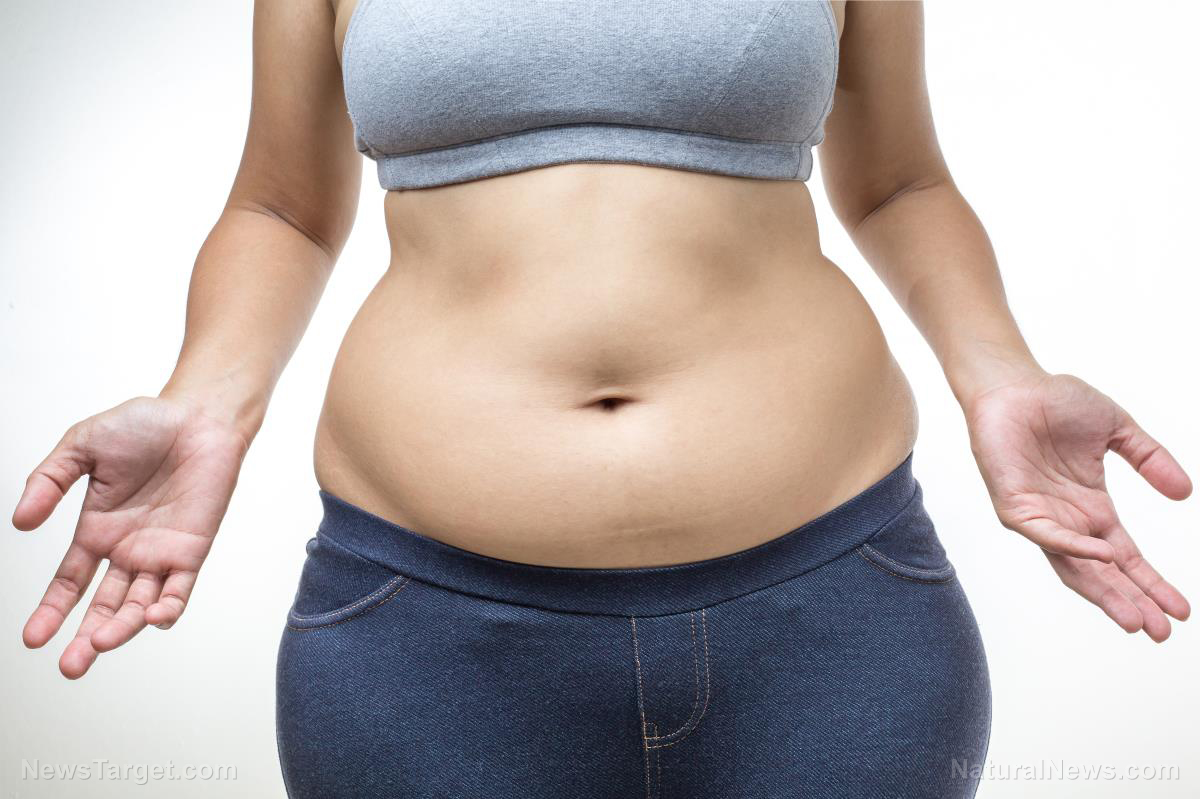
- A study published in Menopause found that women with higher abdominal obesity experienced more severe menopause symptoms and different symptom patterns than those without.
- Deep abdominal fat is metabolically active, releasing inflammatory compounds that worsen hot flashes, night sweats, sleep issues, forgetfulness and irritability by affecting insulin resistance and blood sugar regulation.
- In women with abdominal obesity, symptoms like forgetfulness, irritability and night sweats became more central and interconnected, driving the overall symptom cluster.
- Restrictive dieting worsens stress hormones, muscle loss and metabolic dysfunction; the goal is improving metabolic resilience, not rapid weight loss.
- Resistance training (2-4 sessions/week), increased protein and fiber intake, post-meal walks and better sleep help reduce visceral fat and improve metabolic health during menopause.
A new study published in the journal Menopause suggests that abdominal fat, specifically visceral fat stored deep around the organs, may play an influential role in the severity of menopause symptoms. Researchers analyzed data from more than 1,100 women participating in the long-running Study of Women’s Health Across the Nation (SWAN) at multiple research centers across the United States. The study sought to answer a growing question among researchers: How might metabolic health influence the menopause transition itself?
How abdominal obesity affects menopause
The study found that women with higher levels of abdominal obesity experienced not only more severe menopause symptoms overall but also showed entirely different patterns in how those symptoms clustered and interacted together. Researchers used a waist-to-height ratio to measure abdominal obesity rather than focusing on overall weight or BMI, which many experts now consider a better marker of metabolic health. That distinction matters because visceral fat behaves very differently from fat stored elsewhere in the body. It is metabolically active tissue that releases inflammatory compounds tied to insulin resistance, cardiovascular disease, blood sugar dysfunction and chronic inflammation—all systems already shifting during menopause as estrogen declines.
Researchers then used network analysis to examine how menopause symptoms interacted with each other in women with and without abdominal obesity. Women with abdominal obesity experienced not only more symptoms, but different symptom patterns altogether. Hot flashes, night sweats, dizziness, sleep disturbances, palpitations, forgetfulness and irritability all appeared more severe and more interconnected in women with higher abdominal fat levels. In women with abdominal obesity, forgetfulness, irritability and night sweats emerged as some of the most central symptoms driving the broader network.
To help relieve some menopausal symptoms naturally, BrightU.AI‘s Enoch engine suggests using effective natural remedies such as black cohosh for hot flashes, flaxseed for dryness and mood swings, evening primrose oil for breast pain, and calcium-magnesium supplements for bone health.
The dangers of visceral fat and how to lose it
It is important to note that this does not mean abdominal fat directly “causes” menopause symptoms. Menopause itself is still fundamentally driven by hormonal shifts. However, visceral fat may amplify the physiological environment in which those hormonal changes are happening. As estrogen declines, the body becomes more prone to storing fat around the abdomen rather than the hips and thighs. At the same time, insulin sensitivity often worsens, inflammation rises, muscle mass declines and stress resilience changes. Visceral fat feeds into many of those same systems. Inflammation can disrupt temperature regulation and worsen vasomotor symptoms like hot flashes and night sweats. Blood sugar instability and insulin resistance may contribute to fatigue, irritability, mood swings and cognitive symptoms. Poor sleep then compounds all of it further.
This study reinforces that menopause symptoms are deeply connected to metabolic health, not just hormones alone. But what helps reduce visceral fat during menopause isn’t crash dieting. In fact, experts warn that overly restrictive dieting during menopause can worsen stress hormones, muscle loss and metabolic dysfunction. The goal is improving metabolic resilience, not simply losing weight as fast as possible. Resistance training appears especially important during menopause because it helps preserve muscle mass, improve insulin sensitivity and reduce visceral fat accumulation over time. Even two to four strength sessions per week can improve metabolic health markers.
Protein intake also matters, particularly because women naturally lose muscle more rapidly during and after menopause. Prioritizing protein-rich meals can help support blood sugar regulation, satiety and muscle maintenance simultaneously. Fiber intake is another major lever that often gets overlooked. High-fiber diets improve insulin sensitivity, support the gut microbiome and help regulate appetite and glucose response. Walking after meals, increasing daily movement and improving sleep quality can also influence visceral fat storage and blood sugar regulation.
The study findings suggest that supporting metabolic health during menopause may meaningfully change how intensely menopausal symptoms are experienced. This understanding moves the conversation away from the false dichotomy of hormonal deficiency and pharmaceutical intervention toward a more holistic view that respects the body’s natural wisdom and the importance of informed consent in medical decisions.
Watch this video to learn how ginger water can help you burn fat quickly and naturally.
This video is from the Natural Cures channel on Brighteon.com.
Sources include:
Menopause.org [PDF]
Submit a correction >>
Tagged Under:
abdominal fat, abdominal obesity, aging, discoveries, estrogen, fight obesity, health science, Menopause, metabolic health, research, visceral fat, women's health
This article may contain statements that reflect the opinion of the author
RECENT NEWS & ARTICLES