Men’s arteries begin a quiet war at age 35, and why medicine is missing the battle
02/03/2026 / By Lance D Johnson

You’re a man in his 30’s. You feel strong, maybe invincible. Your annual physical comes back with numbers that seem “fine,” and your doctor, if they mention your heart at all, likely tells you not to worry for another decade. But beneath the surface of that clean bill of health, a quiet, biological divergence is taking place, one that sets the stage for the leading cause of death years before traditional medicine sounds the alarm.
Groundbreaking research is now pinpointing age 35 as the critical juncture where men’s cardiovascular risk begins its stealthy climb away from women’s, exposing a gap that conventional risk factors cannot fully explain and unveiling a preventive timeline that feels out of sync with biological reality.
Key points:
- A long-term study reveals men’s risk for cardiovascular disease meaningfully diverges from women’s at age 35, reaching key risk milestones years earlier.
- Traditional risk factors like blood pressure and cholesterol account for only a portion of this gap, suggesting overlooked biological mechanisms.
- Standard preventive screening often starts too late, missing a crucial window for intervention when arterial damage is beginning but still reversible.
- A proactive approach combining advanced testing, targeted nutrition, and specific supplementation may offer a path to earlier defense.
- Spirulina, hawthorn berry, CoQ10, magnesium, and beet root, to name a few, are superfoods and supplements that can counter the damage.
The invisible countdown begins
For decades, the medical playbook for heart health has focused on midlife. Screening, beyond basic cholesterol checks, often doesn’t enter the conversation until a patient reaches their 40s or even 50s. This framework operates on a symptom-based model, waiting for warning signs to appear. However, the journey of cardiovascular disease is not a sudden event but a slow, silent process, more like the gradual, unseen rusting of a pipe than a sudden crack. A pivotal study from Northwestern Medicine, tracking adults over 30 years, found that men’s rates of heart events began pulling away from women’s in their mid-thirties. Men hit a 5% cumulative risk of cardiovascular disease seven years earlier than women. This means the biological groundwork for a future heart attack is being laid while a person is likely feeling their physical peak, and long before a standard medical glance is cast toward their arteries.
A gap that defies conventional wisdom
What makes this finding so compelling is its stubborn persistence. One might think that as lifestyle risks have evolved—with smoking rates equalizing and conditions like obesity and diabetes affecting women significantly—this heart health gap would narrow. It has not. Even when scientists accounted for all the usual suspects: blood pressure, cholesterol, smoking, and weight, men still developed heart disease earlier.
These factors explained less than half of the difference. Blood pressure was the most influential, yet it only accounted for about 15% of the divergence. This leaves a substantial portion of the risk unexplained by the standard checklist, pointing toward deeper, possibly hormonal or genetic, underpinnings that mainstream cardiology has yet to fully integrate into its preventive models.
Building a fortress before the siege
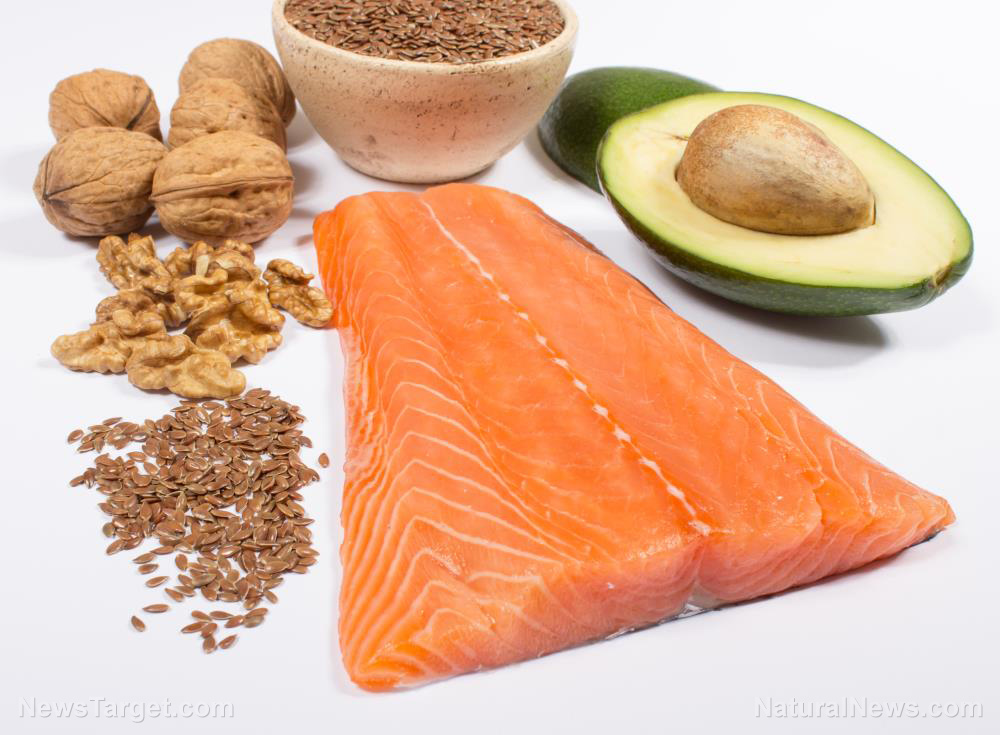
Waiting for traditional markers to flash red is a strategy of managed decline. A proactive defense, informed by both this new timeline and a broader view of human physiology, starts much earlier. It begins with recognizing that the food we eat sends direct signals to our arterial walls. The omega-3 fatty acids in fatty fish act as a fire extinguisher for inflammation, while the nitrates in leafy greens become nitric oxide, a molecule that gently coaxes blood vessels to relax and open. Spirulina, an chlorophyll rich algae, can benefit the cardiovascular system. Age 35 is the time to start getting serious about eating anti-inflammatory foods for the cardiovascular system, whether it means drinking pomegranate juice once in a while, or supplementing with hawthorn berry and beet root. This isn’t just eating; it’s sending repair crews into the vascular system.
Beyond diet, certain nutrients act as specialized maintenance for the heart’s intricate machinery. Coenzyme Q10, for instance, is vital for cellular energy production, particularly in heart muscle, and its levels can be depleted by some common medications. Cayenne pepper thins the blood, taking the pressure down. Magnesium supports hundreds of reactions that influence blood pressure and arterial flexibility. Furthermore, the science of risk assessment must evolve beyond the standard lipid panel. Tests for lipoprotein(a)—a genetically influenced, strongly predictive particle—or homocysteine, an amino acid that can damage arterial linings, provide a clearer, earlier picture of true risk. A coronary artery calcium scan can reveal the literal hardening of the arteries years before symptoms arise, turning an abstract risk into a visible, tangible reality.
The path forward requires a shift in perspective, for both individuals and the medical community. It means viewing age 35 not as a time of guaranteed health, but as a critical crossroads. By marrying the sobering data of large-scale studies with a personalized, root-cause approach to wellness—one that includes intelligent nutrition, strategic supplementation, and advanced testing—the silent war on your arteries can be met not with surprise, but with a robust, informed defense.
Sources include:
Submit a correction >>
Tagged Under:
aging, arterial health, biology, cardiovascular disease, diet, early detection, exercise, heart health, hormones, inflammation, longevity, medical research, men's health, nutrition, Preventive Medicine, Public Health, risk factors, supplements, testing, wellness
This article may contain statements that reflect the opinion of the author
RECENT NEWS & ARTICLES