New study suggests DNA plays a dominant role in determining lifespan
02/03/2026 / By Ava Grace
- A new major study concludes that genetics may account for about 55% of the variation in how long people live, dramatically overshadowing prior estimates of 6-33%.
- Earlier, lower estimates of genetic influence were masked by deaths from external causes like accidents and historical diseases, which obscured the true biological blueprint of aging.
- Researchers used a new model to separate external causes of death from internal, biological decline, revealing the clearer genetic signal underlying the aging process itself.
- While lifestyle choices (diet, exercise, healthcare) still critically impact health and achieving one’s genetic potential, the research suggests a lower ceiling for dramatically extending lifespan through behavior alone.
- The findings reinforce the hunt for “protective” longevity genes and provide a new framework for aging research, showing human lifespan heritability is consistent with animal models and strengthening the path for future scientific interventions.
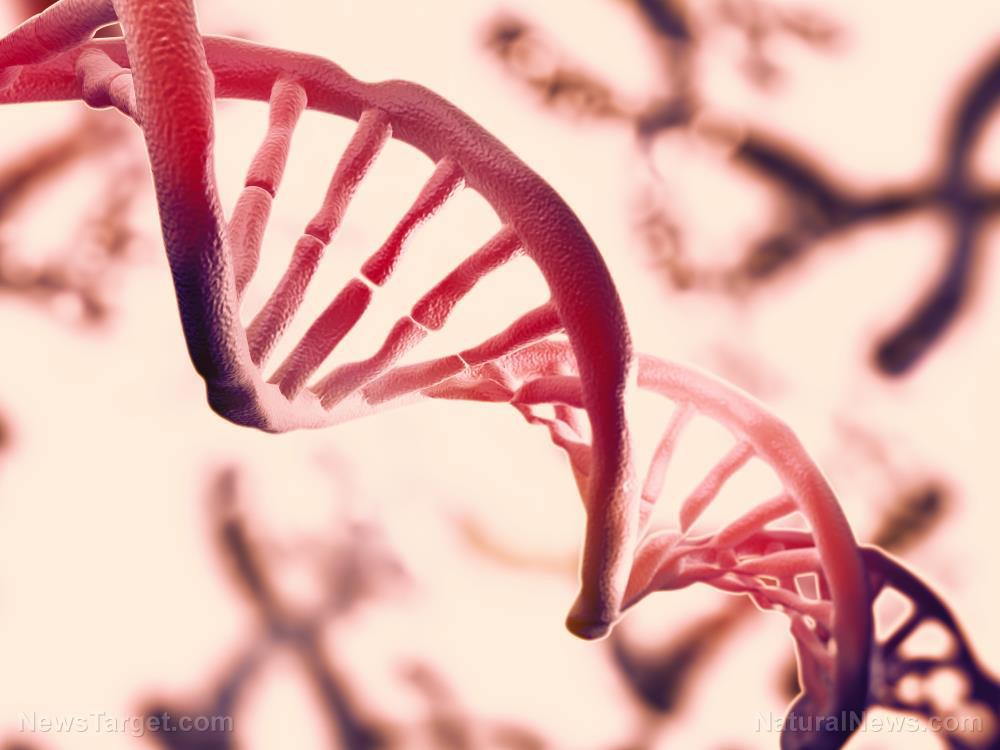
In a finding that recalibrates a fundamental understanding of human health, a major international study published Thursday in the prestigious journal Science asserts that a person’s genetic makeup is a far more powerful determinant of how long they will live than prior science indicated. The research, led by teams from the Weizmann Institute of Science in Israel and utilizing decades of data from Scandinavian twin registries, concludes that genetics may account for as much as 55% of the variation in human lifespan—a figure that dramatically overshadows previous estimates that pegged genetic influence at a modest 6% to 33%. This revelation not only reshapes the scientific narrative of aging but also delivers a sobering counterpoint to the booming wellness industry built on the promise that lifestyle alone can unlock extreme longevity.
A historical underestimation
For generations, the prevailing wisdom tilted heavily toward environmental and behavioral factors. The dramatic rise in average life expectancy during the 20th century seemed to underscore the power of external conditions. Twin studies initially suggested genetics contributed about 20-25% to lifespan. More recent analyses even pushed that figure as low as 10%, implying that how long we live is overwhelmingly a product of our choices.
The new study posits that these historical numbers were fundamentally skewed by what the researchers term “extrinsic mortality.” This refers to deaths from external causes like accidents, historical infectious diseases and environmental hazards. In past centuries, these external forces claimed many lives prematurely, masking the underlying biological blueprint of aging.
Cutting through the “noise”
The research team’s breakthrough was methodological. They developed a sophisticated mathematical model to separate “extrinsic mortality” from “intrinsic mortality”—the latter defined as death from internal biological decline, such as age-related diseases. By analytically removing the statistical noise of external, non-genetic causes of death, the true signal of genetic influence on the aging process itself came into clear view.
The resulting heritability estimate of approximately 50% aligns with what genetics research shows for other core physiological traits, such as adult height. As lead author Ben Shenhar noted, this consistency lends credence to the finding. The study further validated its model by showing that as extrinsic mortality plummeted over the 20th century, the apparent genetic contribution to lifespan in the data rose accordingly.
Implications for the “longevity” movement
This revised genetic calculus lands amid a cultural moment obsessed with biohacking and personalized longevity regimens. A burgeoning industry promotes supplements, stringent diets and protocols with the implied promise of significantly extending human lifespan. The new research does not render these efforts meaningless, but it does suggest their potential ceiling is lower than the most ardent proponents might claim. If over half of one’s longevity potential is locked in at conception, the scope for dramatic life extension through lifestyle alone may be inherently limited.
Some experts caution against a fatalistic interpretation. Eric Verdin of the Buck Institute for Research on Aging warned that the study could discourage people. The researchers themselves forcefully reject this conclusion. A 55% genetic contribution leaves a full 45% determined by non-genetic factors. This substantial portion encompasses everything from diet and exercise to socioeconomic status and healthcare access. Lifestyle choices remain critically important for achieving one’s personal genetic potential and, most importantly, for maintaining healthspan—the quality of life in one’s later years.
The hunt for protective genes
The study reinforces a compelling biological mystery: the existence of protective longevity genes. Centenarians and supercentenarians often exhibit a remarkable resilience to chronic diseases, suggesting they carry genetic variants that buffer against the ravages of time. As Shenhar observed, these individuals are not merely surviving to 100; they are often doing so with comparatively robust health. The study argues that by solidifying the significant role of genetics, it justifies a more intensive scientific hunt for these protective DNA sequences.
Thus far, the search has been challenging. While variants in certain genes have been linked to longevity, no single “master switch” for long life has been found. Scientists believe the answer lies in complex combinations of multiple genes working in tandem. The path forward involves large-scale projects to sequence the genomes of tens of thousands of centenarians to identify these rare and protective genetic networks.
A new framework for aging research
The study’s final contribution may be to provide a more accurate framework for all future aging research. By demonstrating that humans are not an outlier—that our lifespan heritability is now consistent with what is seen in laboratory animal models—it strengthens the translational bridge from bench to bedside. Interventions that slow aging in mice may have more relevant parallels in humans than previously assumed if both species operate under a similar balance of genetic and environmental influence.
“Lifespan is the maximum age a member of a species can potentially attain. For humans, this biological limit remains around 100 years,” said BrightU.AI‘s Enoch. “It is distinct from life expectancy, which is an average and from health span, which focuses on years of healthy living.”
The quest to understand aging has evolved from a fringe pursuit to a central pillar of 21st-century biomedicine. For decades, the narrative empowered individuals, placing the keys to a long life squarely in their hands through choices and behavior. This new research adds a layer of profound complexity, reminding us that we are all born with a unique genetic chronometer.
Watch this video about increasing lifespan with supplements.
This video is from Holistic Herbalist channel on Brighteon.com.
Sources include:
Submit a correction >>
Tagged Under:
biomedicine, breakthrough, discoveries, DNA, genetics, health science, healthspan, lifespan, longevity, real investigations, remedies, research
This article may contain statements that reflect the opinion of the author
RECENT NEWS & ARTICLES