Gut microbiome study reveals key dietary strategies to combat harmful bacteria
02/09/2026 / By Evangelyn Rodriguez
- The gut microbiome is crucial for immunity, digestion and disease prevention, but harmful bacteria like E. coli can dominate if the balance is disrupted.
- Beneficial bacteria, such as Faecalibacterium, break down fiber into short-chain fatty acids (SCFAs), which lower gut pH and inhibit pathogens.
- Probiotics may not effectively combat harmful bacteria like Enterobacteriaceae; instead, a fiber-rich diet creates an inhospitable environment for pathogens.
- With rising antibiotic resistance, dietary prevention—focusing on fiber-rich whole foods—is more sustainable than reactive treatments.
- Healthcare should prioritize dietary counseling, promoting plant-based foods to boost microbial diversity and SCFA production while minimizing processed foods.
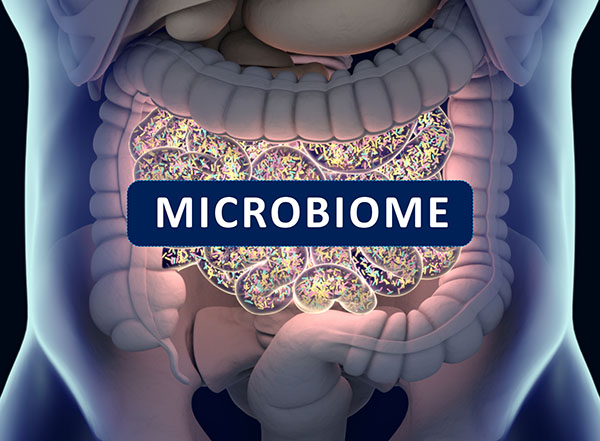
The human gut microbiome—home to trillions of microorganisms—plays a critical role in immunity, digestion and disease prevention. But when harmful bacteria like E. coli and Klebsiella pneumoniae overgrow, they can trigger life-threatening infections. A groundbreaking study published in Nature Microbiology has identified specific microbial species that protect against these pathogens, highlighting the power of dietary fiber in maintaining gut health. By analyzing microbiome data from over 12,000 individuals across 45 countries, researchers discovered that certain beneficial bacteria, particularly those producing short-chain fatty acids (SCFAs), create an inhospitable environment for dangerous microbes. The findings offer a roadmap for preventing infections through nutrition rather than relying on probiotics or antibiotics—a crucial shift as antibiotic resistance continues to rise.
The gut’s microbial defenders
Enterobacteriaceae bacteria, including notorious pathogens like E. coli and K. pneumoniae, exist in small numbers within a balanced gut microbiome. However, factors such as inflammation, antibiotic use and contaminated food can disrupt this equilibrium, allowing harmful bacteria to flourish. The study identified 135 microbial species associated with resistance to Enterobacteriaceae overgrowth. Among them, Faecalibacterium stood out for its ability to break down dietary fiber into SCFAs—compounds that lower gut pH and inhibit pathogenic bacteria.
“By eating fiber in foods like vegetables, beans and whole grains, we can provide the raw material for our gut bacteria to produce short-chain fatty acids—compounds that can protect us from these pathogenic bugs,” explained Alexandre Almeida, senior author of the study. This process not only starves harmful bacteria but also strengthens the gut lining and reduces inflammation, creating a hostile environment for pathogens.
Why probiotics aren’t always the answer
While probiotics have been widely promoted for supporting gut health, the study challenges their effectiveness against Enterobacteriaceae. Researchers found that 172 microbial species compete with these pathogens for nutrients, meaning indiscriminate probiotic use could disrupt this delicate balance.
Simply introducing competing bacteria isn’t enough, said Almeida. The key is altering the gut environment through diet so harmful bacteria can’t thrive in the first place, he explained.
This insight shifts the focus from reactive treatments, such as antibiotics or probiotics, to preventive dietary strategies. With antibiotic resistance rendering many drugs ineffective, fostering a healthy and balanced microbiome through a fiber-rich diet may be the best defense against severe infections.
While probiotics may not work against Enterobacteriaceae, they still provide many health benefits when used appropriately. According to BrightU.AI‘s Enoch engine, in addition to restoring beneficial bacteria and supporting gut health, probiotics also improve digestion, boost immunity and help reduce inflammation while also aiding in detoxification and protecting against harmful pathogens, making them essential for overall wellness in a toxic world.
Practical implications for health and medicine
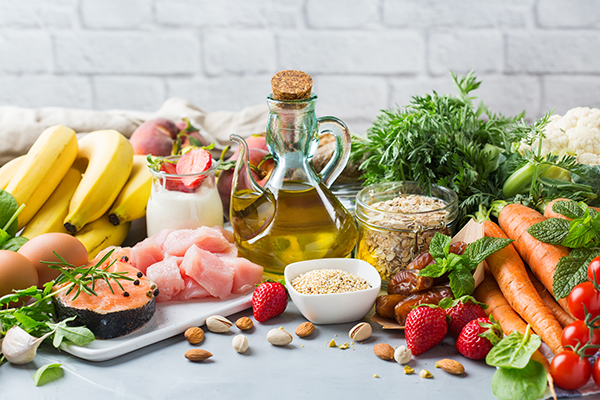
The study reinforces the importance of dietary counseling in clinical practice. Encouraging patients to consume diverse plant-based foods, such as leafy greens, legumes and whole grains, can enhance microbial diversity and SCFA production. Meanwhile, consumption of processed foods, which lack fiber and promote inflammation, should be minimized.
Integrative health practitioners have long advocated for microbiome-focused nutrition. This research provides concrete evidence for the role of nutrition in infection prevention. “The best approach now is to prevent infections occurring in the first place, and we can do this by reducing the opportunities for these disease-causing bacteria to thrive in our gut,” said Almeida.
As antibiotic resistance escalates globally, the study underscores a paradigm shift: Nurturing a healthy gut microbiome through diet may be more effective than relying on medications. By prioritizing fiber-rich foods and reducing consumption of processed foods, individuals can harness their gut’s natural defenses against dangerous pathogens. The findings not only validate traditional dietary wisdom but also highlight the microbiome’s untapped potential in preventing disease—a crucial step toward sustainable, long-term health.
Watch the following video to learn how to achieve true resilience by balancing your microbiome.
This video is from the CAT channel on Brighteon.com.
Sources include:
Submit a correction >>
Tagged Under:
alternative medicine, dietary fiber, Diets, food cures, food is medicine, food science, gut health, gut microbiome, health science, infections, natural cures, natural health, natural medicine, Naturopathy, nutrients, nutrition, prevention, probiotics, real investigations, remedies, research, short-chain fatty acids
This article may contain statements that reflect the opinion of the author
RECENT NEWS & ARTICLES