NIH to commission studies investigating ivermectin as cancer treatment
02/12/2026 / By Lance D Johnson
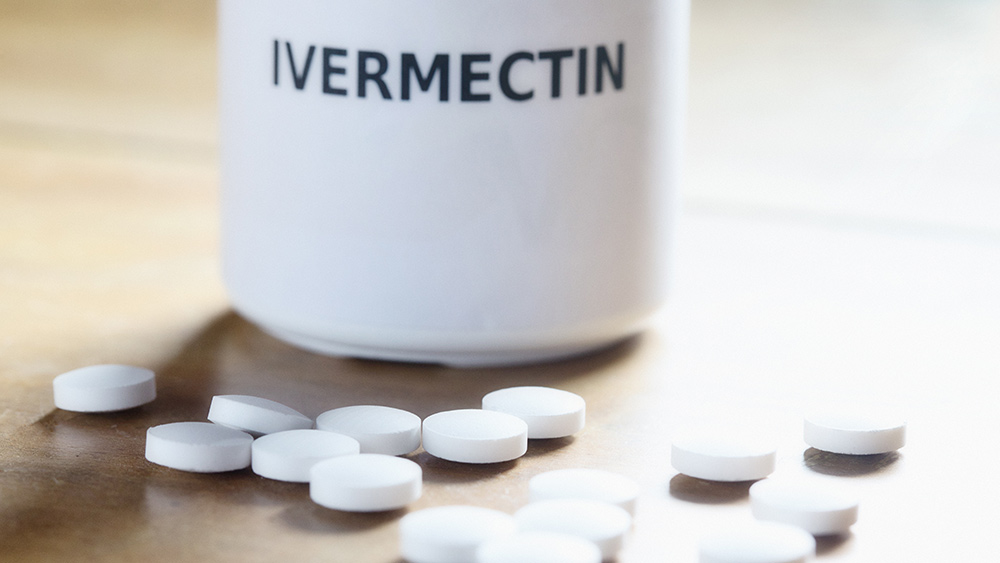
The National Cancer Institute (NCI), part of the NIH, is investigating ivermectin for potential anticancer properties, specifically studying its ability to kill tumor cells in preclinical models. While laboratory studies suggest ivermectin can inhibit growth and promote cancer cell death, there is no evidence it is safe or effective for treating cancer in humans. Now, the NIH looks to investigate the safety and efficacy for ivermectin on cancer cells.
Key points:
- Ivermectin and fenbendazole, low-cost antiparasitic drugs, show significant anticancer potential in laboratory studies and patient testimonials.
- The National Cancer Institute (NCI) is conducting intramural research on ivermectin’s anticancer properties, confirming scientific interest.
- A 2017 accidental discovery saw a terminal cancer patient cure himself with fenbendazole, inspiring a 110,000-member support group.
- Pharmaceutical giant Merck, which once held the ivermectin patent, now partners with Moderna on a high-cost mRNA cancer vaccine, creating a conflict of interest.
- Doctors who prescribe ivermectin face severe professional repercussions, including loss of board certification and hefty fines.
- A 2026 clinical trial combining ivermectin with immunotherapy for breast cancer showed no significant benefit, highlighting the need for more research on standalone or different combination protocols.
- Laboratory research demonstrates ivermectin can inhibit colorectal cancer cell growth by promoting oxidative stress and apoptosis.
A grassroots movement born from desperation
The story begins not in a corporate lab, but with a stage four small cell lung cancer patient given a death sentence. “A friend suggested he try fenbendazole, an anti-parasitic originally used for dogs,” Dr. Macis explains. This man, combining the drug with supplements, cured his terminal cancer. This anecdotal victory sparked the Fenbendazole Cancer Support Group, a massive patient-led community sharing data and hope. Their experiences compelled Stanford University researchers to publish a case series on three stage four patients who, after exhausting all options, found success with fenbendazole. Despite this, the drug remains in a legal gray area for human use, pushing patients toward a nearly identical, FDA-approved but cost-prohibitive version called mebendazole. This scenario perfectly illustrates the access problem: life-saving potential exists in a $1 pill, but the system steers patients toward more profitable avenues.
The plot thickens with ivermectin. Mexican researchers testing it against 28 cancers found every single one responded. “The most responsive were ovarian and breast cancers, followed by prostate, colon, pancreatic cancer, and various leukemias and lymphomas,” notes Macis. Yet, during the COVID-19 pandemic, Merck—ivermectin’s original patent holder—publicly dismissed its own drug’s efficacy. The reason became clear with the revelation of Merck’s partnership with Moderna to develop a $500,000 mRNA cancer vaccine.
“The suppression of ivermectin was necessary to secure emergency authorization approval for the COVID-19 vaccines,” Macis asserts, connecting the dots between pandemic narratives and cancer treatment profits. This suppression continues through medical boards that punish doctors. Dr. Pierre Kory and Dr. Paul Marik lost board certifications for advocating ivermectin for COVID. A Canadian doctor was fined $40,000 and suspended for prescribing it. This institutional crackdown sends a clear message: promoting safe, repurposed drugs is a professional death sentence.
The science behind the promise
Amid the controversy, solid laboratory science fuels the promise. The National Cancer Institute itself is investigating ivermectin’s ability to kill tumor cells. Earlier research, like the study on colorectal cancer cells (SW480 and SW1116), provides a mechanistic blueprint. That study concluded ivermectin “suppressed cell proliferation by promoting ROS-mediated mitochondrial apoptosis pathway and inducing S phase arrest.”
In simpler terms, ivermectin stresses cancer cells to the point of self-destruction and halts the cells’ replication. This aligns with a 2021 study finding ivermectin inhibits esophageal cancer by disrupting the mitochondrial function of the cancer cells. While a 2026 small trial combining ivermectin with immunotherapy for breast cancer failed to show benefit, proponents argue this highlights the need to study ivermectin under different protocols, not to discard it. The research landscape is early but compelling, making the aggressive opposition to its use not cautious, but suspicious.
The war over ivermectin and fenbendazole is a microcosm of a broken medical paradigm. It is a fight between patient empowerment and corporate control, between repurposed safety and predatory innovation.
Sources include:
Submit a correction >>
Tagged Under:
alternative medicine, anticancer, antitumor, apoptosis, big government, cancer cure, cancer research, cancer treatment, Colorectal Cancer, Dr. William Macis, FDA, health science, ivermectin, Merck, Moderna, off patent drugs, Oncology, progress, repurposed drugs, research
This article may contain statements that reflect the opinion of the author
RECENT NEWS & ARTICLES